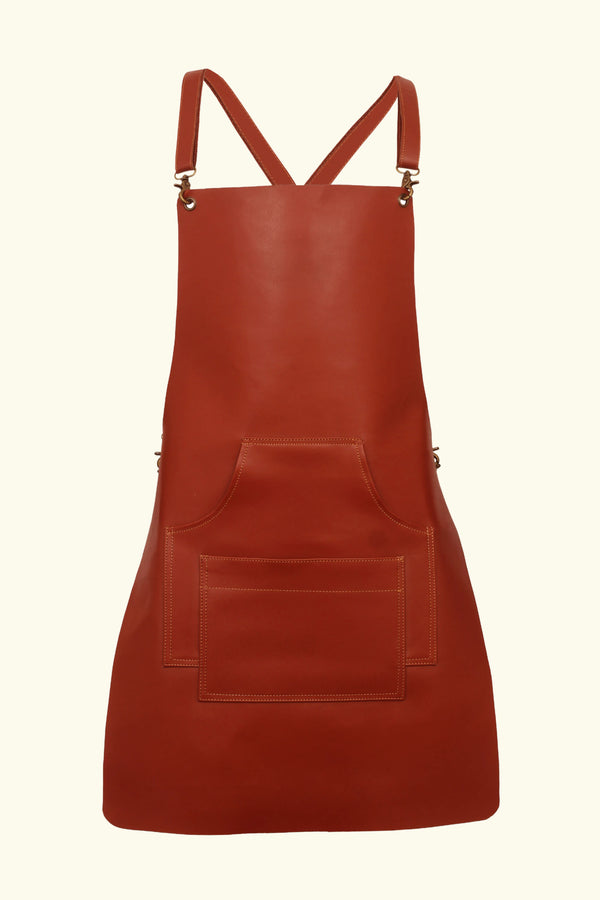
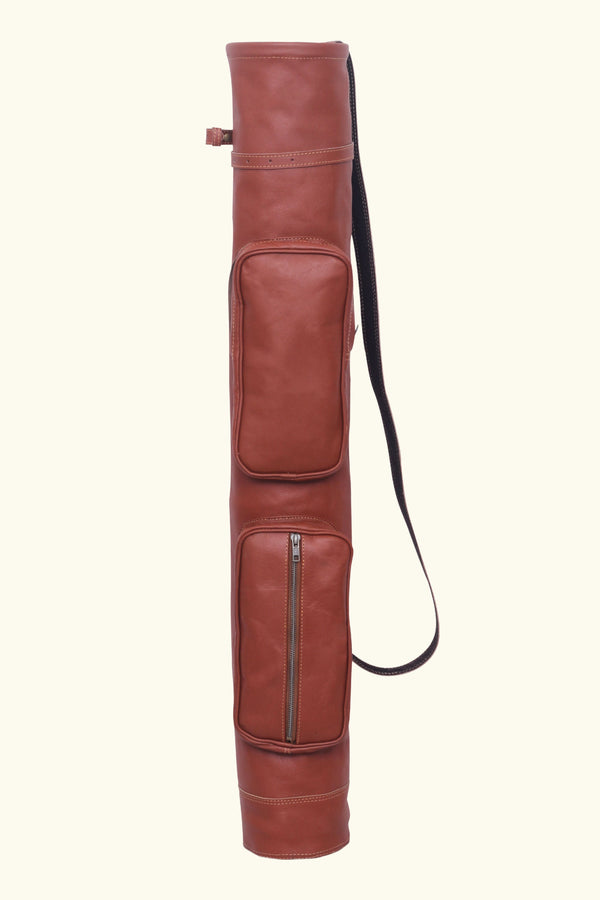
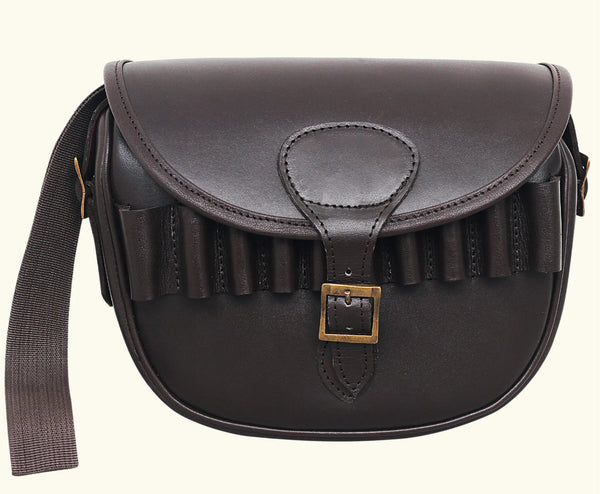
Leather is a versatile material that has been used for centuries to make a wide range of products, from clothing and accessories to furniture and upholstery. It is prized for its durability, beauty, and timeless appeal. However, there are many different types of leather, and they can vary greatly in their softness, hardness, and other properties. Two of the most common types are hard leather and soft leather. In this article, we take a comprehensive look at hard leather vs. soft leather, including their key differences, advantages and common uses.
What is hard leather?
Hard leather is leather that has been tanned and treated to make it thick, sturdy, and durable. It is often characterized by its rugged and textured appearance. Hard leather is made from a variety of animal hides, including cowhide, buffalo hide, and horsehide. Vegetable tanning in particular produces firm, structured leather. For a deeper dive, read our comprehensive guide to hard leather.
What is soft leather?
Soft leather is smooth, flexible, and supple, making it comfortable to touch and easy to work with. It is typically made from high-quality hides, like lamb or calf, and treated with processes that enhance its softness. It is commonly used for clothing, accessories, and upholstery thanks to its luxurious feel.
Key Differences Between Hard Leather and Soft Leather
| Characteristic | Hard Leather | Soft Leather |
|---|---|---|
| Thickness | Thick | Thin |
| Durability | Very durable | Less durable |
| Flexibility | Not very flexible | Very flexible |
| Appearance | Rugged and textured | Smooth and soft |
| Common uses | Belts, boots, holsters, tool bags | Gloves, jackets, handbags, upholstery |

Uses of Hard Leather
Leather Tool Bags: Hard leather is a preferred material for tool bags due to its durability and protective qualities. Tool bags made from hard leather offer a robust exterior that shields tools and keeps them in good condition over time.
Belts: Thick, firm leather makes leather belts that hold their shape for years.
Saddles and Tack: Hard leather is a natural choice for saddles and tack. Its durability ensures that saddles, bridles, and other tack withstand regular use, providing comfort and safety for both rider and horse.
Footwear: Hard leather is used in work boots and outdoor shoes to provide enhanced support and protection on rugged terrain.

Uses of Soft Leather
Apparel: Soft leather is widely favored for apparel, including jackets, gloves, and pants, due to its luxurious feel and comfort.
Upholstery: Soft leather is popular for furniture and car interiors, where comfort is paramount.
Accessories: Soft leather is used for leather bags and wallets. Its supple texture adds an elegant touch and allows for intricate designs and detailing.
Aesthetics and Style
Choosing between hard and soft leather often hinges on personal preference and the desired aesthetic. Hard leather has a rugged, structured appearance that suits classic and practical styles, while soft leather gives a refined, sophisticated look favoured in contemporary designs.
How to Choose Between Hard and Soft Leather
Consider the intended use of the item as well as your personal style. If durability and structure are paramount, opt for hard leather. If comfort and a luxurious feel are priorities, soft leather is more suitable. Also factor in maintenance requirements and the conditions the item will face.
Maintenance Tips for Both Types
Hard Leather:
- Clean with a damp cloth to remove dirt and dust.
- Condition regularly to prevent excessive dryness and cracking.
- Store in a cool, dry place away from prolonged sunlight.
Soft Leather:
- Use a specialized leather cleaner to gently remove stains and dirt.
- Apply a leather conditioner regularly to maintain softness.
- Avoid prolonged exposure to direct sunlight to prevent fading.
Conclusion
Hard leather excels in durability and structure, making it ideal for practical items, while soft leather's luxurious feel and flexibility cater to fashion and comfort. Ultimately, the decision depends on your preferences, the item's intended use, and the look you want. Understanding the characteristics of hard and soft leather lets you make an informed choice that suits your style and practical needs.
FAQs
Is hard leather more expensive than soft leather?
The cost of both can vary depending on quality, source, and craftsmanship. High-quality soft leather is often more expensive due to its luxurious feel and processing.
Can soft leather be as durable as hard leather?
Soft leather may not be as inherently durable, but high-quality soft leather can still last a long time if properly cared for. Regular maintenance and conditioning extend the lifespan of both types.
Can hard leather be used for fashion items?
Yes, hard leather works well for fashion items that need structure and a rugged look, though it is less flexible than soft leather.
Are there eco-friendly options for both hard and soft leather?
Yes. Look for products made from responsibly sourced hides and processed using environmentally friendly tanning methods, such as vegetable tanning.